Robot Vacuum Maintenance for Busy Homes: Brushes, Bins, and Mapping
Robot vacuums need regular brush, bin, and sensor care to stay useful in busy homes.
A good appliance article should help readers decide what to check before they spend money. This guide keeps the advice practical: symptoms to watch, maintenance steps that matter, and buying details that are easy to compare in a real home.
Start With the Job the Appliance Must Do
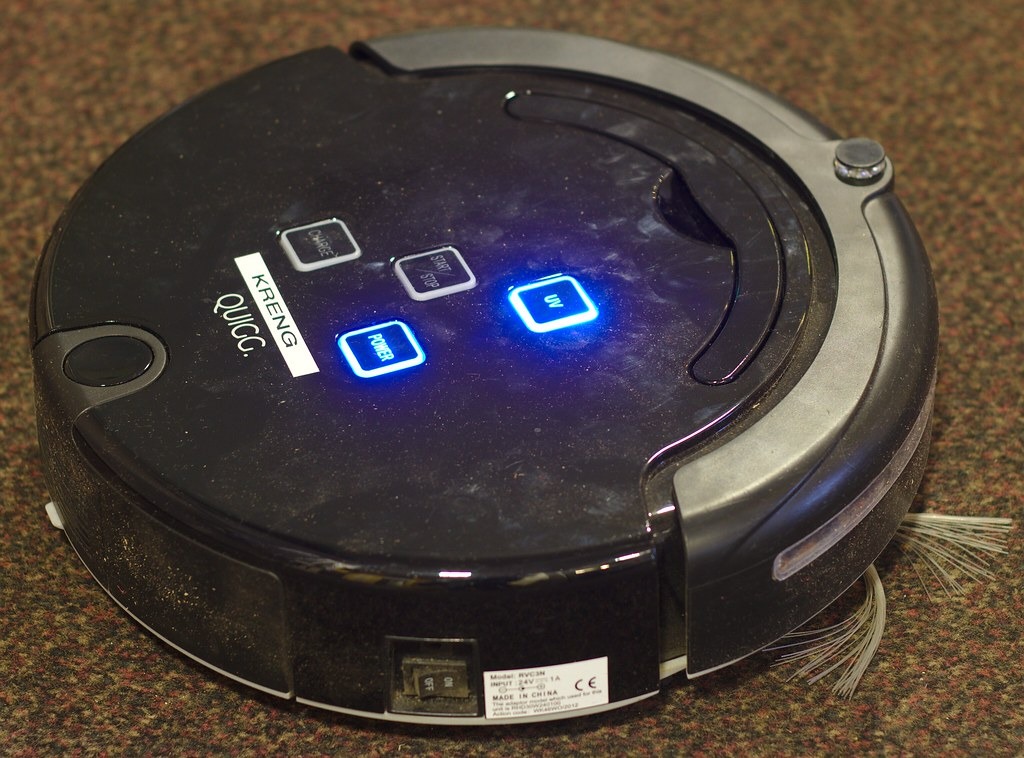
The robot should keep everyday dust under control between deeper cleanings. It cannot perform well if hair wraps around the brush or sensors are dusty.
Check Fit, Power, and Daily Use
Check threshold height, mapping support, app controls, and whether the home has rugs, pet hair, or multiple floors.
Maintenance Details That Prevent Repairs
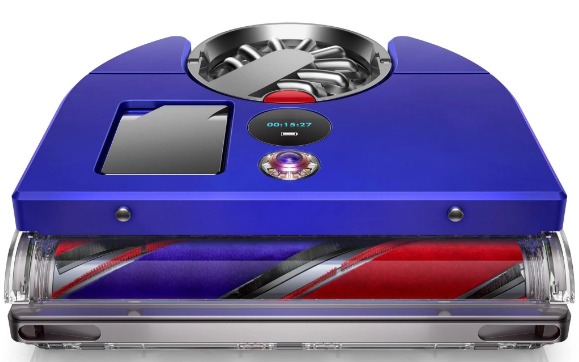
Empty the bin, clean sensors, cut hair from the brush roll, and replace side brushes when they bend. Mapping also improves when charging docks stay in one place.
When Replacement Makes More Sense
A weak battery, unavailable brushes, or failing navigation can make replacement smarter than continued repairs.
A Simple Buying Checklist
Compare replacement part cost, bin size, obstacle handling, and whether the app works without constant troubleshooting.
Final Takeaway
The best appliance choice is usually the one that fits the room, the household routine, and the maintenance you are actually willing to do. A slightly simpler model with clear controls, available filters, and easy cleaning access often performs better over time than a feature-heavy option that is hard to service.
