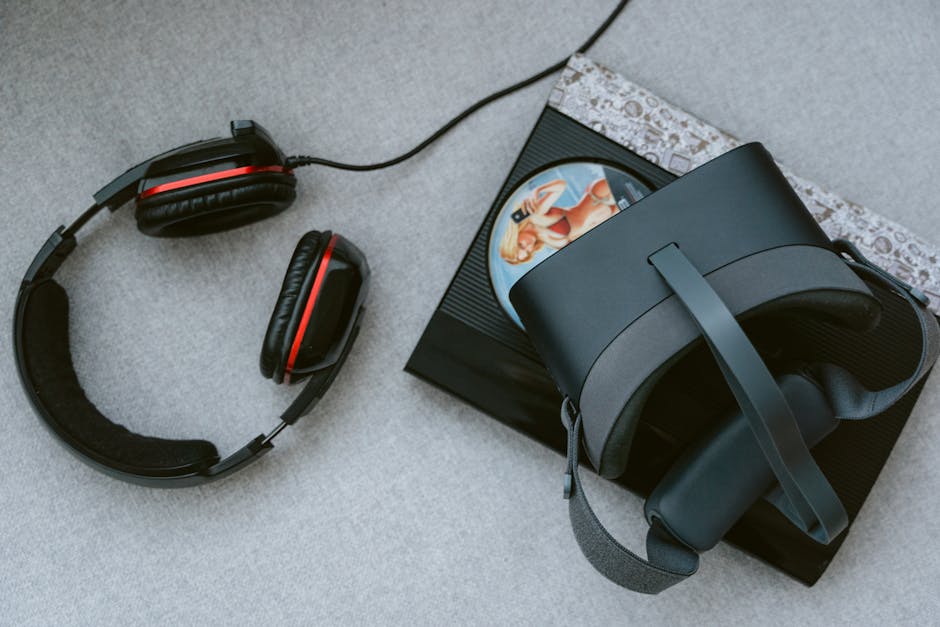
Looking for the best gaming headset? It’s not just about flashy lights or marketing hype. A truly great gaming headset delivers clear communication, precise audio cues, and comfort for hours. Many options exist, but few combine everything well. This guide cuts through the noise. We break down the crucial features, compare top models, and make clear recommendations.
Wired vs. Wireless: Connectivity Decisions
The choice between wired and wireless often sparks debate among gamers. Each offers distinct advantages and drawbacks, particularly concerning performance and convenience. Understanding these differences is key to picking the right headset for your setup and play style.
Latency and Reliability
Wired headsets offer undeniable advantages in latency. A direct USB or 3.5mm connection means virtually zero delay between the game audio and your ears. This split-second difference can matter in competitive games. Wired connections are also inherently more reliable. No signal drops, no interference from other devices. You plug it in, and it works. Wireless headsets, even with advanced 2.4 GHz low-latency dongles, introduce a minimal amount of lag. While often imperceptible to the average user, competitive players might notice it. Bluetooth is generally too slow for serious gaming, reserved for casual listening or mobile gaming.
Battery Life and Charging
Wireless headsets provide freedom of movement. You can step away from your desk or console without taking off your headset. This convenience comes with a trade-off: battery life. Most high-end wireless headsets offer 20-30 hours per charge, some extending to 60+ hours like the Logitech G Pro X 2 LIGHTSPEED. However, batteries eventually run down. Forgetting to charge means a dead headset mid-session. Wired headsets never have this issue. They draw power directly from your device, ensuring constant operation. Some wireless models offer a wired backup, letting you continue playing while charging, but it negates the wireless benefit temporarily.
Audio Quality Differences
Historically, wired headsets held a clear edge in audio quality due to higher bandwidth connections. Today, the gap has narrowed significantly. Modern wireless technologies, particularly 2.4 GHz connections, can transmit high-fidelity audio with impressive clarity. Companies like SteelSeries and Astro have invested heavily in codecs and transmission protocols to minimize compression and maintain sound integrity. However, a top-tier wired headset often still provides a slightly richer, more detailed soundstage simply by avoiding any wireless compression or potential signal degradation. For the purest audiophile experience in gaming, wired remains a strong contender, but for most, the difference is negligible compared to the convenience of wireless.
Essential Audio Features for Competitive Play

Beyond basic sound, specific audio features elevate a gaming headset from good to great. These elements directly impact your performance, situational awareness, and communication capabilities. Ignore the marketing fluff; focus on what truly matters for a competitive edge.
-
Positional Audio Technology
Accurate positional audio is non-negotiable for competitive gaming. This means hearing footsteps, gunshots, or ability activations from their exact direction. Most modern headsets offer some form of virtual surround sound (7.1 surround sound) or spatial audio (like DTS Headphone:X, Dolby Atmos, or Sony’s Tempest 3D Audio). These technologies process stereo sound to create an immersive, 360-degree soundscape. The best implementations make it easy to pinpoint enemy locations without visual cues. It’s not just about immersion; it’s a critical tactical advantage. Some headsets, like the SteelSeries Arctis Nova Pro Wireless, excel here with robust software suites that allow fine-tuning of these spatial effects.
-
Microphone Clarity and Noise Gate
Your team relies on your callouts. A poor microphone can cost you games. Look for a mic that offers clear, natural voice reproduction without picking up excessive background noise. Many high-end gaming headsets feature retractable, detachable, or flip-to-mute microphones. Crucially, good microphones integrate effective noise cancellation or a noise gate. This technology filters out keyboard clicks, fan noise, or room chatter, ensuring your voice comes through clean. Brands like HyperX and Razer are known for their strong microphone performance, often incorporating advanced digital signal processing. A clear mic means better coordination, fewer misunderstandings, and a smoother team experience.
-
Passive Noise Isolation
While active noise cancellation (ANC) is excellent for travel headphones, passive noise isolation is often more critical for gaming. This refers to how well the headset’s earcups block out external sounds simply through their design and materials. Thick, well-sealed earcups with memory foam pads can significantly reduce distractions from your environment. This allows you to focus purely on in-game audio cues, which is vital for competitive play. ANC can sometimes introduce a slight hiss or impact sound latency, making passive isolation a preferred feature for many serious gamers. A headset that effectively seals around your ears ensures you hear every subtle in-game sound, from a distant grenade bounce to an enemy reloading.
Top Wireless Gaming Headsets for Premium Experience
For gamers seeking the ultimate blend of freedom, sound quality, and advanced features, certain wireless headsets stand above the rest. These models come with a premium price tag but deliver an experience unmatched by budget alternatives.
The **SteelSeries Arctis Nova Pro Wireless** stands as the top contender for a premium wireless experience. It delivers exceptional sound fidelity, a comfortable design, and robust software features. This headset offers multi-platform compatibility and dual-wireless connectivity (2.4 GHz and Bluetooth), allowing connection to two devices simultaneously. The base station acts as a command center, providing on-the-fly EQ adjustments and battery charging.
SteelSeries Arctis Nova Pro Wireless Details
This headset features hi-res audio certification with custom-designed drivers. It supports simultaneous 2.4 GHz wireless for gaming and Bluetooth for mobile devices, a highly convenient feature. The active noise cancellation (ANC) is effective, and the retractable ClearCast Gen 2 microphone provides excellent clarity. The swappable battery system, with two batteries included, means you never run out of power. When one battery depletes, swap it for a fully charged one from the base station. The ski-goggle headband design keeps it comfortable for extended sessions, even for users with larger heads. The price point typically hovers around $350.
Astro A50 X: Console Powerhouse
The Astro A50 X is another premium wireless option, specifically designed with console gamers in mind, particularly for seamless switching between Xbox, PlayStation, and PC. Its unique HDMI passthrough base station allows for incredibly easy input switching without re-cabling. It supports Dolby Atmos on Xbox and PC, and PlayStation 3D Audio. The sound profile is excellent for competitive play, offering clear directional audio. The microphone is precise, and the headset’s build quality is robust. Comfort is a key selling point with its plush earcups and balanced weight. It often retails for around $380.
Logitech G Pro X 2 LIGHTSPEED Considerations
Logitech’s G Pro X 2 LIGHTSPEED builds on the success of its predecessor. It features new 50mm Graphene drivers, which aim for superior audio clarity and reduced distortion. The LIGHTSPEED wireless technology ensures ultra-low latency. It boasts an impressive battery life of over 50 hours, making it ideal for long gaming marathons. The Blue VO!CE microphone technology provides broadcast-quality voice communication. While perhaps not as feature-rich as the Nova Pro Wireless’s base station, its sheer audio performance and battery endurance make it a strong contender for discerning PC gamers. The price is usually around $250.
Best Value Wired Gaming Headsets

For pure audio quality and comfort without breaking the bank, the HyperX Cloud III is the pick. It delivers exceptional sound and build quality at a mid-range price. This headset proves that you don’t need to spend hundreds for a competitive edge. Its robust construction and comfortable earcups make it suitable for long gaming sessions.
Understanding Headset Comfort and Durability
You wear your headset for hours. Comfort and durability are not luxuries; they are necessities. A poorly fitting headset causes fatigue, while a flimsy one breaks too soon. Prioritize these aspects as much as audio specs.
What materials offer the best comfort for long sessions?
Memory foam earcups, often covered in breathable fabric or plush leatherette, are for comfort. Memory foam conforms to your head shape, distributing pressure evenly. Fabric covers, like velour, are often preferred for breathability, reducing sweat build-up during intense sessions. Leatherette provides better passive noise isolation but can get warmer. The headband also matters. Self-adjusting suspension bands, like those seen on SteelSeries headsets, or padded headbands with ample cushioning prevent pressure points on the top of your head. Lighter headsets also contribute significantly to long-term comfort, reducing neck strain.
How important is clamping force?
Clamping force refers to how tightly the earcups press against your head. Too much, and you’ll experience headaches and discomfort quickly. Too little, and the headset feels loose, compromising sound isolation and potentially falling off with sudden movements. The ideal clamping force is firm enough to create a good seal for audio and noise isolation but gentle enough to be unnoticeable after a few minutes. Many premium headsets balance this well, often using adjustable headband mechanisms to fine-tune the fit. Some brands design their headsets with a slightly looser fit to prioritize comfort, while others lean towards a tighter seal for maximum audio immersion.
What should I look for in build quality and materials?
Durability comes from robust materials and smart construction. Metal frames, particularly those made from aluminum or steel, are far more resistant to drops and twists than all-plastic designs. Look for headsets with reinforced cables (if wired) or sturdy hinges and adjustment points. Swappable earcups and detachable microphones are also signs of good design; they allow for easy replacement of wear-prone parts. Brands like HyperX and Sennheiser (now EPOS) have historically excelled in building tanks. A headset isn’t just an audio device; it’s a piece of gear that will endure countless hours of use, so invest in quality materials that can withstand the rigors of gaming.
Key Specifications Comparison: Premium Picks

Comparing top-tier gaming headsets side-by-side reveals their strengths and trade-offs. This table focuses on crucial specs for the leading wireless models, providing a quick overview of what each offers.
| Model | Connectivity | Drivers | Mic Type | Battery Life (Approx.) | Price (Approx.) | Key Feature |
|---|---|---|---|---|---|---|
| SteelSeries Arctis Nova Pro Wireless | 2.4GHz Wireless, BT, USB | 40mm Neodymium | ClearCast Gen 2 (Retractable) | 22 hrs (swappable) | $350 | Dual Wireless, ANC, Hot-Swap Batteries |
| Astro A50 X | 2.4GHz Wireless, BT | 40mm Neodymium | Flip-to-Mute (Omni) | 24 hrs | $380 | HDMI Passthrough (Console Switch), Charging Dock |
| Logitech G Pro X 2 LIGHTSPEED | 2.4GHz Wireless, BT, 3.5mm | 50mm Graphene | Detachable (Blue VO!CE) | 50+ hrs | $250 | Exceptional Battery Life, Graphene Drivers |
| Razer BlackShark V2 Pro (2023) | 2.4GHz Wireless, BT, 3.5mm | 50mm TriForce Titanium | Detachable (HyperClear Super Wideband) | 70 hrs | $200 | Longest Battery Life, Excellent Mic |
This comparison highlights the diverse strengths of each headset. The SteelSeries Arctis Nova Pro Wireless offers unparalleled versatility and features with its base station and hot-swappable batteries. The Astro A50 X caters heavily to multi-console users needing seamless switching. Logitech’s offering stands out with its incredible battery endurance and advanced drivers. Razer’s updated BlackShark V2 Pro provides a compelling package of battery life and microphone quality at a competitive price.
Final Recommendation: What to Buy Now
Choosing the single ‘best’ headset is difficult. Different gamers prioritize different aspects. However, for most serious gamers who value versatility and top-tier sound, the **SteelSeries Arctis Nova Pro Wireless** remains unmatched.
For PC Gamers Prioritizing Audio
The **Logitech G Pro X 2 LIGHTSPEED** is a strong contender. Its Graphene drivers deliver crisp audio, and the Blue VO!CE microphone software enhances communication. The 50+ hour battery life means fewer interruptions. It’s a robust choice for dedicated PC players seeking excellent sound and endurance without the multi-platform frills of the Nova Pro Wireless.
For Multi-Console Users
If you game across an Xbox, PlayStation, and PC, the **Astro A50 X** is the easiest choice. Its HDMI passthrough base station simplifies switching inputs and ensures consistent high-quality audio across all platforms. The convenience factor here is a major selling point, despite the higher price.
For Budget-Conscious Competitors
For those who need competitive audio and communication on a tighter budget, the **HyperX Cloud III** wired headset is hard to beat. It provides excellent comfort, solid sound, and a clear microphone at a fraction of the cost of premium wireless options. For wired options, also consider the **Razer BlackShark V2 Pro (2023)** if wireless is a must and battery life is .
