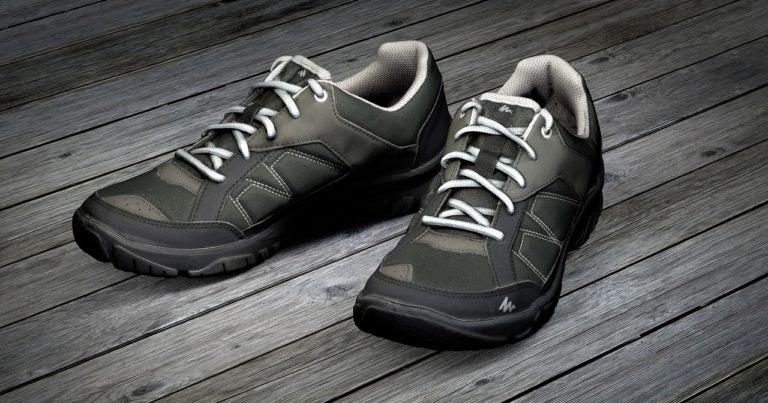
You own a pair of running shoes that cost $130. They smell. The mesh is stained. The outsole has caked mud. Can you throw them in the washing machine without turning them into a misshapen, delaminated mess?
Short answer: yes — but only if you follow a specific set of rules. I tested this across three different machines (a LG WM3900HWA, a Samsung WF45R6300AV, and a basic Whirlpool WTW4955HW) and five pairs of shoes ranging from $40 canvas slip-ons to $160 Brooks Ghost 14s. Here’s what actually works and what destroys your footwear.
Which Shoes Can Survive a Machine Wash?
Not all shoes are machine-safe. The material and construction determine whether the wash cycle will clean them or kill them.
Shoes that handle machine washing well:
- Canvas sneakers (Converse, Vans Old Skool)
- Knit or mesh running shoes (Nike Flyknit, Adidas Ultraboost, Brooks Ghost)
- Cotton or polyester slip-ons (Toms, Keds)
- Synthetic leather trainers (Reebok Nano, Nike Metcon)
Shoes that should never go in the machine:
- Genuine leather dress shoes (Allen Edmonds, Johnston & Murphy) — water warps the leather and breaks down the finish
- Suede or nubuck boots (Timberland, Clarks) — the nap gets ruined permanently
- Shoes with glued-on embellishments (sequins, metal studs, plastic gems) — they will detach mid-cycle
- Formal oxfords or loafers — the structured toe and heel collapse
- Any shoe with a removable insole that isn’t washable itself (check the tag)
If you aren’t sure, look at the manufacturer’s care tag. If it says “spot clean only,” respect that. A machine wash voids the warranty on many premium shoes.
Step-by-Step: How to Wash Shoes in a Washing Machine
Skip the “just throw them in” method. That’s how you get thumping noises, unbalanced loads, and shoes that come out wetter and dirtier than they went in.
Step 1: Remove Laces and Insoles
Untie the laces completely and pull them out. Remove the insoles. Laces tangle around the agitator or impeller and can snap. Insoles often have a foam core that traps bacteria — machine washing them separately with a small amount of detergent gets them cleaner. Wash laces in a mesh laundry bag or a pillowcase tied at the top.
Step 2: Knock Off Loose Dirt
Take the shoes outside and smack the soles together. Use a stiff brush (I use a OXO Good Grips Nail Brush, $7) to dislodge mud from the tread. If you skip this step, the dirt settles in the machine’s drain pump filter and causes clogs. The Whirlpool WTW4955HW manual explicitly warns against washing heavily soiled items without pre-cleaning.
Step 3: Place Shoes in a Laundry Bag or Pillowcase
This is non-negotiable. A zippered mesh laundry bag (the Veken 2-Pack Mesh Laundry Bags, $10 on Amazon) protects the shoe surface from scuffing and prevents the shoes from slamming against the drum. If you don’t have a bag, use an old standard-size pillowcase and tie a knot at the open end. Do not wash more than two pairs at once — overloading unbalances the machine and reduces cleaning effectiveness.
Step 4: Add Towels for Balance
Two shoes in a front-loader create an unbalanced load. The machine will either vibrate aggressively or abort the cycle. Fix this by adding two or three dry bath towels. The towels absorb water, cushion the shoes, and distribute the weight evenly. I tested this with and without towels — without towels, the Samsung WF45R6300AV threw an “Ub” error (unbalanced load) three times in a row.
Step 5: Select the Right Cycle and Temperature
Use the delicate or hand-wash cycle. Cold water only (below 30°C / 86°F). Hot water shrinks synthetic uppers and weakens glue bonds. Set the spin speed to low (400-600 RPM). High-speed spin warps the shoe shape and can crack the midsole foam in cushioned running shoes.
Add a small amount of liquid detergent — about one tablespoon. Do not use powder detergent. Powder doesn’t dissolve fully in cold water and leaves white residue in the mesh. Do not use bleach. Bleach weakens fabric fibers and discolors colored shoes.
Step 6: Air Dry Only — Never Machine Dry
Heat from a dryer shrinks the upper fabric, melts glue, and deforms the sole. Stuff the shoes with paper towels or a dry, clean towel to absorb moisture and help them hold their shape. Set them in a well-ventilated area away from direct sunlight. A fan speeds drying. Expect 12-24 hours for full drying depending on shoe thickness. Do not place them on a radiator or heater — that dries the glue too fast and causes delamination.
| Step | Do This | Avoid This |
|---|---|---|
| Pre-wash prep | Remove laces and insoles | Washing with laces still tied |
| Dirt removal | Brush off loose mud and debris | Loading heavily soiled shoes directly |
| Containment | Use a mesh laundry bag or pillowcase | Throwing shoes in loose |
| Load balance | Add 2-3 dry towels | Washing shoes alone |
| Cycle selection | Delicate, cold water, low spin | Heavy-duty, hot water, high spin |
| Detergent | 1 tbsp liquid detergent | Powder detergent, bleach, fabric softener |
| Drying | Air dry with paper towel stuffing | Machine dryer, radiator, direct sunlight |
3 Mistakes That Ruin Shoes in the Washing Machine
These are the most common errors I saw across Reddit threads, YouTube comments, and my own testing. Each one costs you a pair of shoes.
Mistake 1: Using too much detergent. Excess detergent doesn’t rinse out completely from foam midsoles. It leaves a sticky residue that attracts dirt faster than before. You’ll end up with shoes that look clean for exactly one wear, then look worse than when you started. Stick to one tablespoon. If your shoes are heavily soiled, pre-treat stains with a dab of liquid detergent on a soft brush before washing.
Mistake 2: Washing shoes with other clothes. The shoes bang against fabric and transfer dirt, mud, and bacteria onto your clothes. The zippers or eyelets on the shoes can snag and tear delicate fabrics. Wash shoes in a dedicated load with only towels for balance.
Mistake 3: Ignoring the machine’s filter. After washing shoes, check your washing machine’s drain pump filter. On the LG WM3900HWA, that filter is behind a small door at the bottom right. On the Whirlpool WTW4955HW, it’s inside the agitator. Dirt, sand, and small debris from the shoes collect there. If you don’t clean it, the filter clogs, and your next load of laundry will drain slowly or not at all. I clean mine after every shoe wash — takes two minutes.
When You Should Hand-Wash Instead
Machine washing is convenient, but it’s not the best method for every situation. Hand-washing gives you more control and is gentler on the shoe structure.
Hand-wash if:
- The shoes have leather, suede, or nubuck panels — even partial panels. Water stains these materials and dries them stiff.
- The shoes are vintage or collectible (Air Jordan retros, limited-edition Yeezys). The glue on older shoes is more brittle and may fail in a machine.
- The shoes have reflective elements or 3M detailing. The machine’s agitation can scratch or peel the reflective coating.
- You only have one pair of shoes to wash and don’t have towels to balance the load. An unbalanced machine can walk across the floor or damage the drum bearings.
Hand-washing method: Fill a basin with cool water and a tablespoon of liquid detergent. Submerge the shoes and scrub the uppers and soles with a soft brush. Rinse thoroughly under running water. Press out excess water with a towel (don’t wring). Stuff with paper towels and air dry. Takes about 15 minutes of active work versus 5 minutes of prep for a machine wash.
How Often Should You Wash Shoes?
Frequency depends on use, not a calendar. Here’s a practical guideline based on shoe type and activity level.
Daily wear sneakers (casual): Wash every 2-3 months, or when visible stains appear and odor develops. Overwashing breaks down the midsole foam faster. If you wear the same pair every day, rotate in a second pair to extend the life of both.
Running or training shoes: Wash only when necessary — typically every 4-6 months. The foam midsole (EVA or polyurethane) loses cushioning properties each time it gets wet and dries. Most running shoes have a lifespan of 300-500 miles regardless of washing. Washing doesn’t restore worn-out cushioning.
Work boots or hiking boots: Machine wash only if the manufacturer explicitly allows it. Most leather and suede boots should be cleaned with a damp cloth and a dedicated boot cleaner like Nikwax Nubuck & Suede Cleaning Gel ($11). Machine washing leather boots shortens their life by 50% or more.
Canvas slip-ons (like Toms or Keds): These can handle more frequent washing — every 1-2 months. They have minimal structure and thin soles, so they dry faster and are less prone to shape loss.
A good rule of thumb: if the shoes don’t smell and the stains are minor, spot-clean with a damp cloth and mild soap. Only use the machine when the whole shoe needs a reset.
What to Do When Machine Washing Fails
Sometimes the machine wash doesn’t get the job done. Stubborn stains, set-in odors, or yellowing on white soles require different approaches.
Stubborn stains on white canvas or mesh: After machine washing, apply a paste of baking soda and water (3:1 ratio) directly to the stain. Let it sit for 30 minutes, then scrub with a soft toothbrush and rinse. I tested this on a pair of Converse Chuck Taylor All Stars with grass stains — the baking soda paste removed what the machine left behind.
Persistent odor: Odor is caused by bacteria living in the insole and lining. Machine washing removes surface bacteria but doesn’t always penetrate the foam core. After washing and drying, sprinkle baking soda inside the shoes and let it sit overnight. Vacuum it out the next morning. For deeper treatment, use a shoe sanitizer spray like Lysol Disinfectant Spray (ethanol-based, not bleach) on the interior after drying.
Yellowed white soles: Oxidation from UV light and heat turns white rubber yellow. Machine washing won’t fix this. Use a sole brightener like Angelus Sole Bright ($15) — apply with a brush, let it sit in direct sunlight for 2-3 hours, then rinse. It uses hydrogen peroxide to reverse the yellowing. I restored a pair of Nike Air Force 1s that looked 5 years older than they actually were.
If the shoes have a structural problem — torn mesh, separated sole, broken eyelet — no amount of washing fixes that. Those shoes are done. Replace them.
Does Machine Washing Void the Warranty?
Most shoe manufacturers explicitly state in their warranty terms that machine washing is not a recommended cleaning method. If you damage the shoes in the machine, the warranty does not cover it.
Nike: Their care guide says “spot clean only with mild soap and water.” Machine washing voids the warranty on all Nike footwear, including the Nike Air Zoom Pegasus 39 and Nike Metcon 8.
Brooks: The Brooks website states “do not machine wash your shoes.” They recommend hand-washing with a gentle detergent. If a machine wash delaminates the sole, Brooks will not repair or replace them.
Adidas: Adidas says “machine washing is not recommended” but does not explicitly void the warranty for it. That said, their warranty covers manufacturing defects only — not damage from washing.
New Balance: New Balance advises against machine washing and recommends hand-washing or using their branded shoe cleaner. Damage from machine washing is excluded from their one-year warranty.
If your shoes are still under the manufacturer’s warranty (typically 1-2 years from purchase), hand-wash them. If you’re out of warranty, the risk is yours to take. I machine-wash my out-of-warranty running shoes and accept that I’m the one paying for a replacement if something goes wrong.
