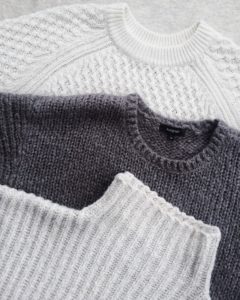
The fastest fix is a fabric shaver — but if you don’t change how you wash your clothes, the pills will be back in two weeks. Start with both: remove what’s already there, then fix the habits that caused them.
Why Clothes Pill — The Real Cause
Pilling isn’t random. It happens because loose fibers on the surface of fabric get tangled together through friction. Wear, washing, and drying all create friction. The more friction, the more tangles, the more pills.
Not all fabrics behave the same way. Fiber length, fiber type, and weave construction all determine how fast pilling develops — and understanding this helps you make smarter decisions when buying and caring for clothes.
Short fibers are the core problem
Fabrics made from short-staple fibers — fibers that were cut short during manufacturing — have more loose ends sitting on the surface. Those loose ends are what tangle into pills. Long-staple cotton (like Egyptian or Pima cotton) pills far less than standard cotton because the fibers are longer and stay firmly anchored in the weave.
Merino wool works the same way. High-quality merino uses fine, long fibers that resist pilling significantly better than coarse, short-fiber wool blends sold at budget price points. When a merino sweater costs $150 instead of $40, fiber quality is a large part of what that price difference reflects.
Blended fabrics are the worst offenders
A cotton-polyester blend pills more aggressively than 100% cotton. Here’s why: polyester fibers are stronger than cotton. When friction loosens a fiber, a pure cotton fiber eventually breaks off and falls away. A polyester fiber grips and keeps tangling. The result is a dense, durable pill that won’t shed on its own.
This is why your gym leggings, fleece hoodies, and acrylic sweaters pill so badly. They’re engineered to last — which means the pills last too. It’s the same durability property that makes synthetic fabrics robust working directly against you aesthetically.
Where friction hits hardest on your body
Look at where pills appear on your clothes. Underarms, inner thighs, collar edges, under backpack straps. All high-friction zones. This tells you something useful: reducing friction at those specific spots — through smarter wearing habits — directly reduces pilling.
A backpack with a smooth nylon bottom strap causes less shoulder damage to fabric than a rough canvas strap. Wearing a thin undershirt under a wool sweater reduces body-to-fiber friction significantly. Pilling that shows up only at wear points is a friction-during-use problem. Pilling spread evenly across the body of a shirt points to washing machine agitation. Different causes, different fixes — and mixing them up means you treat the wrong one.
How to Remove Pills That Are Already There
A good fabric shaver removes pills without damaging the underlying fabric. A cheap one shreds it. The difference is blade quality and grid hole size — larger holes catch and cut the base fabric instead of just the pills sitting above it. Spending $20 more on the right tool protects a $100 sweater.
Electric fabric shavers — best for speed and coverage
- Steamery Pilo Fabric Shaver ($40) — The best pick for delicate fabrics. Three adjustable height settings let you control how aggressively the blade sits above the fabric surface. Works well on cashmere, fine merino, and thin knits. Battery-powered and USB rechargeable. Expect about 15 minutes to do a full sweater properly.
- Conair Fabric Defuzzer ($15–$20) — The workhorse option for tougher fabrics. Corded, so no battery failure mid-job. Slightly more aggressive than the Pilo, which makes it better for acrylic, fleece, and cotton-poly blends. Available at Walmart and most drugstores. Empty the lint collector every few minutes — when it fills, suction drops and pills stay on the fabric instead of being removed.
- Philips GC026/30 Fabric Shaver ($20–$25) — A solid mid-range option with two speed settings and a removable cleaning head. Good choice if your wardrobe mixes fine and medium-weight fabrics and you want one tool that handles both.
Manual tools for delicates
The Gleener Ultimate Fuzz Remover ($25) is a manual fabric comb with three interchangeable heads for fine, medium, and coarse fabrics. No batteries, no motor noise. Slower than any electric option but safer on loosely woven or extremely thin fabrics where a motorized blade feels risky. It also works as a lint brush.
A sweater stone — a block of natural pumice — is another manual option. Drag it lightly across the fabric in one direction. Slowest method available, but zero risk of blade damage. Good for chunky hand-knit items where a mechanical shaver would catch the texture unevenly.
Technique makes a real difference
Lay the garment flat on a hard surface, not in your lap. Fabric draped over a curved surface becomes uneven and increases the chance of cutting too deep. Hold the fabric taut with one hand while moving the shaver slowly with the other — rushing leaves pills behind.
Always test on an inside seam or hidden area first, especially with a new tool or an unfamiliar fabric. For garments with raised texture — cable knit, ribbed cotton — work with the grain of the texture rather than across it. Going against the grain pulls at the structure of the knit and can distort it.
Laundry Settings That Actually Prevent Pilling
Your washing machine’s default cycle was built for thorough cleaning, not fabric preservation. Adjusting spin speed and water temperature costs nothing and does more to prevent pilling than any specialty laundry product.
| Fabric Type | Wash Cycle | Water Temp | Spin Speed | Drying Method |
|---|---|---|---|---|
| Wool / Cashmere | Wool / Delicate | Cold (30°C max) | Low (400–600 RPM) | Flat dry only |
| Standard cotton | Normal | Cold or warm (40°C) | Medium (800–1000 RPM) | Low tumble or hang dry |
| Polyester / Acrylic | Gentle / Synthetics | Cold (30°C) | Low (600–800 RPM) | Low tumble or hang dry |
| Cotton-poly blends | Gentle | Cold (30°C) | Low (600 RPM) | Low tumble or hang dry |
| Linen | Delicate | Cold or warm (40°C) | Low (600 RPM) | Hang dry |
Use mesh laundry bags
Toss knitwear, delicates, and anything prone to pilling into a mesh laundry bag before washing. The bag limits how much the garment tumbles against rougher items — jeans zippers, towels, and heavy cotton are all abrasive against lighter fabrics. A Brabantia Washing Net ($8–$12) or a pack of generic mesh bags ($8–$10 for six) both work fine. Use fine mesh for delicates, coarser mesh for medium-weight items.
Match the bag size to the garment. A sweater crammed into a small bag gets compressed and agitated just as badly as in a free drum. The garment should sit loosely inside, with room to move gently without slamming around the interior.
Turn clothes inside out before washing
Turning a garment inside out costs nothing and reliably reduces surface friction. The outer face — the visible side — gets pressed against other fabric less and takes less direct drum friction. Especially effective for dark colors where pills show most visibly, and for printed surfaces that can also degrade from abrasion over time. Takes three seconds. Worth doing every wash for anything you want to keep looking new.
The Detergent and Fabric Conditioner Decision
Use a gentle, low-agitation detergent for anything you care about. Standard detergents clean fine but are too harsh for wool, cashmere, and fine blends used repeatedly over months.
Which detergent to use and why it matters
Woolite Delicates ($7–$9 per bottle) is the standard recommendation because it’s pH-balanced and doesn’t degrade fibers over repeated washes. For wool specifically, Eucalan No-Rinse Wool Wash ($12–$14) eliminates one source of friction entirely — no rinsing required means one less agitation cycle per wash. Tide Free & Gentle ($12–$15) works well for cotton and cotton-poly blends where you want something gentler than regular Tide without switching to a specialty product.
The most common detergent mistake: using too much. Excess detergent doesn’t rinse out fully. It leaves a residue on fibers that stiffens them, increasing friction damage wash after wash. The dose printed on the label is almost always less than what people actually pour — especially with high-efficiency machines that use less water to begin with.
Hot water also accelerates pilling independent of detergent choice. Water above 40°C (104°F) weakens protein-based fibers like wool and silk, making them more vulnerable to mechanical friction during the wash cycle. Cold washing with a gentle detergent is the right combination for almost everything that pills.
Does fabric softener actually reduce pilling?
Yes — slightly. Fabric conditioner adds a thin coating to fibers that reduces friction between them, which does slow pill formation over repeated washes. Add a cap of Downy Ultra Liquid Fabric Softener ($10–$14) to the conditioner drawer for everyday clothes and knitwear. Skip it on towels and moisture-wicking activewear — the coating reduces absorbency, which defeats the purpose of both. For activewear, a sports-specific detergent like Hex Performance Detergent ($15–$18) cleans synthetic fibers more effectively without leaving the residue that softeners introduce.
When a Garment Is Beyond Saving
If pills have formed so densely that removing them would leave the base fabric visibly thin and worn through underneath, the garment is done. This happens most often with acrylic knitwear after years of heavy use — the fabric thins while pills keep forming on top. Running a shaver over it exposes bare patches, not a restored sweater. At that point, it’s a cleaning rag or a textile recycling drop — not a rescue project.
Fabric-Specific Pilling Questions
Does cashmere always pill at first?
Yes — almost always. New cashmere pills in the first few wears because loose surface fibers shed. This is normal and doesn’t indicate poor quality. After 3–5 wears, the loose fibers are gone and pilling slows dramatically. Use a Gleener or the Steamery Pilo on its lowest setting after those first few uses and the sweater stabilizes into its final texture.
Cheap cashmere blends pill continuously because fiber quality is inconsistent throughout the garment. There’s no stabilization point — just ongoing deterioration. If a cashmere sweater still pills heavily after 8–10 wears, the fiber quality was the problem from the start, not your care routine.
Can you fix pilling on gym leggings?
You can remove existing pills with a fabric shaver, but they’ll come back fast if you keep washing leggings with rougher items. The fix is washing activewear separately — away from jeans, towels, and heavy cotton — in a cold gentle cycle inside a mesh bag. High-performance leggings from brands that use tightly woven four-way stretch fabric resist pilling better than budget alternatives, but even those pill if washing habits are rough. The fabric construction gives you a head start; the laundry habits determine how long that lasts.
Does air drying really make a measurable difference?
Yes. Tumble dryers cause both heat stress and mechanical friction at the same time. Heat weakens fibers, and tumbling creates the same abrasive motion as the wash cycle. A garment tumble-dried after every wash shows visible pilling within months. The same garment hung or laid flat to dry lasts noticeably longer. For wool sweaters, blended knits, and anything delicate, air drying is the single highest-impact habit change you can make.
The tradeoff is stiffness — air-dried cotton feels stiffer than tumble-dried. A 10-minute tumble on low heat after air drying softens the fabric without causing significant damage. It’s the best of both approaches, and worth the extra step for clothes you actually want to keep around for years.
Fix your washing habits first, then use the right shaver — those two changes do more than anything else combined.
