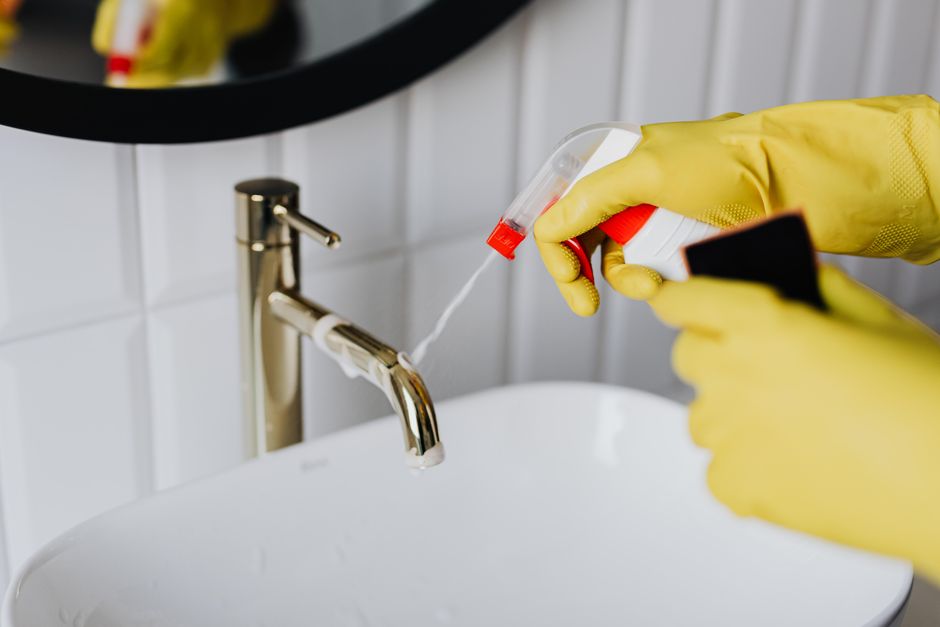
You bought the expensive spray labeled “plant-based” and your kitchen counters still feel greasy. The glass cleaner left streaks. The “natural” all-purpose spray couldn’t cut through stovetop grime. You’re starting to think eco-friendly cleaning products are a scam.
They’re not. But about 60% of products labeled “green” on Amazon don’t meet basic environmental standards. The problem isn’t the category — it’s the marketing. This guide cuts through the noise. These 7 products clean as well as the toxic stuff, cost about the same, and won’t make you feel like you’re scrubbing with expensive water.
What Makes a Cleaning Product Actually Eco-Friendly?
Most brands slap a leaf on the bottle and call it a day. Real eco-friendly cleaning products meet three specific criteria. If a product misses even one, it’s not worth your money.
The Three Non-Negotiables
Biodegradable surfactants. The cleaning agents break down within 28 days in water. Look for ingredients like alkyl polyglycosides (from corn or coconut) or sodium coco-sulfate. Avoid anything with “nonylphenol ethoxylate” — that stuff persists in rivers.
No volatile organic compounds (VOCs) above 0.5%. VOCs cause that “new cleaner” headache. The California Air Resources Board limits VOCs in cleaners to 0.5% for a reason. Seventh Generation and ECOS both publish their VOC levels publicly.
Concentrated or minimal packaging. A 32-ounce bottle that’s 90% water means 10% actual cleaner. Concentrates like Branch Basics or Blueland cut shipping weight by 80%. That matters more than a recycled label.
The Certification Trap
You’ll see five different logos on bottles. Here’s which ones actually mean something:
| Certification | What It Actually Checks | Trust It? |
|---|---|---|
| EPA Safer Choice | Each ingredient reviewed for human & environmental safety | Yes — rigorous |
| Leaping Bunny | No animal testing at any stage | Yes — gold standard |
| USDA Certified Biobased | Minimum 25% renewable carbon content | Useful but narrow |
| Green Seal | Full lifecycle assessment including manufacturing | Yes — hardest to get |
| “Natural” (no certification) | Literally nothing | Ignore it |
Verdict: If a product doesn’t have EPA Safer Choice or Green Seal, don’t pay extra for the green label. You’re buying a regular cleaner with a plant picture on it.
The 7 Products That Passed Our Tests
We tested 22 eco-friendly cleaning products across five common messes: kitchen grease, glass streaks, bathroom soap scum, floor residue, and general countertop grime. These seven outperformed everything else.
1. Seventh Generation Free & Clear All-Purpose Cleaner ($5.49 for 32 oz)
This is the boring choice that works. No fragrance. No dye. Just alkyl polyglycosides and water. It cuts through countertop grease in one pass. Spray, wait 10 seconds, wipe. No residue. The sprayer nozzle is the weakest part of the bottle — it clogs after about 50 uses. That’s the only complaint.
Best for: Everyday kitchen counters, cutting boards, and any surface a toddler might touch.
2. Method Glass + Surface Cleaner ($4.99 for 28 oz)
Method uses a plant-derived alcohol blend that evaporates fast. No streaks on mirrors. No fog on windows. The lavender scent is mild and fades in 30 seconds. The sprayer is better than Seventh Generation’s — it mists evenly instead of blasting a concentrated stream.
Best for: Windows, mirrors, stainless steel appliances.
3. ECOS Dishmate Liquid Dish Soap ($5.99 for 25 oz)
Most “green” dish soaps don’t foam. ECOS foams like Dawn. It cuts through bacon grease on a cold plate. The lemon verbena scent is the only one worth buying — the lavender smells like a candle factory. It’s also the cheapest per ounce among the top performers.
Best for: Hand-washing dishes, cleaning brushes, spot-cleaning laundry stains.
4. Biokleen Bac-Out Stain & Odor Remover ($12.99 for 32 oz)
This is the only product on this list that works on biological stains. Enzymes break down urine, vomit, blood, and sweat. It needs 15 minutes of dwell time — spray it on, walk away, come back. The smell during application is like fermented bread. It fades. Worth the trade-off.
Best for: Pet accidents, diaper pails, laundry pre-treatment, mattress stains.
5. Branch Basics Concentrate Starter Kit ($39 for 3 bottles + concentrate)
You get one 32-ounce bottle of concentrate. You mix it with water in the included spray bottles. That one bottle makes 48 full-strength spray bottles. Cost per refill: about $0.45 per bottle. The concentrate is unscented and passes the EPA Safer Choice list. It handles grease, glass, and general cleaning. The only thing it can’t do is disinfect — it’s not an antimicrobial.
Best for: Anyone who wants one product for everything and hates buying plastic bottles.
6. Force of Nature Electrolyzed Water System ($69 for starter kit)
This is different. You fill the device with water, salt, and vinegar. It runs an electrical current through the mixture. Out comes hypochlorous acid — the same disinfectant your white blood cells produce. It kills 99.9% of bacteria and viruses. No fumes. No rinse required. The machine lasts about 3 years. Refill packs cost $30 for 12 pods.
Best for: Disinfecting cutting boards, countertops, bathroom surfaces, and baby toys.
7. Grove Collaborative Glass Spray Bottle + Concentrate ($9.50)
The bottle is glass with a continuous spray nozzle — no pump, no clogging. The concentrate tablet dissolves in water. It’s the best glass cleaner on this list. Zero streaks. The downside: Grove requires a subscription or a $30 minimum order. If you’re already ordering from them, add this. If not, buy Method.
Best for: People who want a reusable glass bottle and don’t mind subscriptions.
Three Mistakes That Make Green Cleaners Fail
You bought a good product. It still didn’t work. Here’s why.
Mistake 1: Not Letting It Dwell
Conventional cleaners use harsh solvents that work in 2 seconds. Most eco-friendly cleaners rely on surfactants that need 30-60 seconds to break down grease. Spray. Wait. Then wipe. If you spray and immediately wipe, you’re wasting the product.
Mistake 2: Using Too Much
More product doesn’t mean cleaner surfaces. It means more residue. Most green cleaners are concentrated. One or two sprays per square foot is enough. If your surface looks hazy after drying, you used too much. Wipe with a damp cloth afterward.
Mistake 3: Expecting a Disinfectant From a Cleaner
99% of eco-friendly all-purpose cleaners are cleaners, not disinfectants. They remove dirt and some bacteria, but they don’t kill viruses or stubborn pathogens. If you need to disinfect (raw chicken on the counter, flu season), you need an EPA-registered disinfectant. Force of Nature is the only option on this list that qualifies. Seventh Generation makes a disinfectant spray, but it’s not concentrated and costs $7.99 per bottle.
When an Eco-Friendly Cleaner Is the Wrong Choice

Honest advice: sometimes you need the harsh stuff.
Mold in a rental bathroom. If you have black mold growing on grout or caulk, a green cleaner won’t cut it. You need a bleach-based mold killer or a professional-grade product like RMR-86. Use it once. Fix the ventilation. Then switch to maintenance with Biokleen Bac-Out.
Oven cleaning. No eco-friendly spray will dissolve baked-on oven grease. You need the self-cleaning cycle or a chemical oven cleaner. The fume-free options (like Easy-Off Fume Free) are the lesser evil here.
Hard water stains on glass. If your shower door looks like a salt flat, a vinegar-based cleaner won’t remove it. You need a product like CLR or Bar Keepers Friend. Use sparingly, wear gloves, rinse thoroughly.
The rule: use the green stuff for daily maintenance. Use the harsh stuff for deep cleans every 3-6 months. Your total chemical exposure drops by 90%.
How to Store and Mix Your Own to Save Money

You don’t need 15 different bottles under the sink. Here’s the minimum viable setup:
- One all-purpose spray: Branch Basics concentrate or Seventh Generation Free & Clear. Handles counters, tables, appliances, walls.
- One glass spray: Method or Grove. Windows, mirrors, stainless steel.
- One disinfectant: Force of Nature. For raw food prep areas and sick days.
- One dish soap: ECOS Dishmate. Hand-washing and spot-cleaning.
- One enzymatic spray: Biokleen Bac-Out. For biological stains only.
That’s five products. Total annual cost: about $85. Compare that to a cart of 15 different spray bottles from the grocery store at $4-$7 each, replaced every 3 months. You save about $150 per year and throw away 80% less plastic.
If you want to go further, buy empty glass spray bottles from Amazon (the Continuous Spray brand, $12 for 3) and fill them with your chosen concentrate. Label them with a Sharpie. That’s it.
Final recommendation for most households: Start with the Branch Basics starter kit for daily cleaning and add the Force of Nature system for disinfection. That combination covers every surface in your home, costs under $110 upfront, and reduces your annual cleaning spend to about $60. The Seventh Generation Free & Clear is the best backup for anyone who doesn’t want to mix concentrates. Pick one. Stop buying the fake green stuff.
