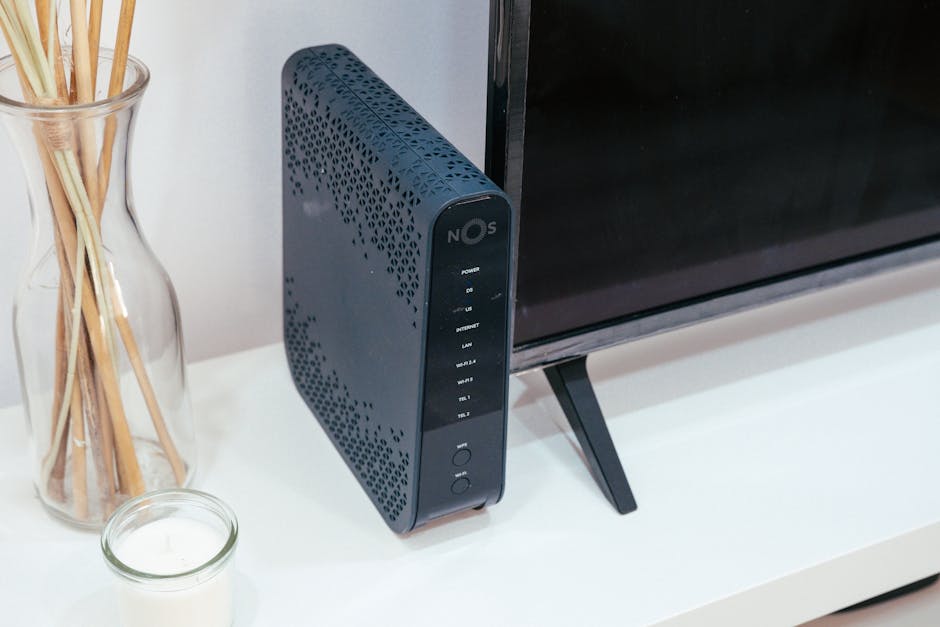
I was sitting on my basement floor in Chicago three years ago, literally crying because my Zoom connection dropped for the fourth time during a performance review. My router—a supposedly ‘high-end’ single unit—was sitting just thirty feet away, but between us lived a chimney made of 1920s brick that apparently doubled as a signal-killing fortress. That was the day I realized that traditional routers are mostly a lie for anyone not living in a glass box. I went out and bought my first mesh system that afternoon. Since then, I’ve cycled through four different brands, spent way too much money at Best Buy, and learned exactly which companies are trying to scam you with ‘pro’ features you’ll never use.
The Eero ‘Golden Cage’ is real and I’m tired of it
Look, I used to be an Eero evangelist. I really was. They make these cute, white little pods that look like something Apple would design if they still cared about hardware. I bought the Eero 6+ system because I wanted something I could set up in five minutes and forget. And to be fair, the setup is incredible. You plug it in, the app finds it, and boom—Internet. But here is the thing that makes my blood boil: they lock basic features behind a subscription. If you want to see how much data your Xbox is using, or if you want to block ads at the network level, you have to pay $10 a month. Forever.
It’s offensive. You pay $300 for hardware and then they rent you the software features. What I mean is—actually, let me put it differently. It feels like buying a car and then being told you have to pay a monthly fee to use the high beams. I know people will disagree with me here; they’ll say the security features are worth it. I don’t care. I refuse to recommend a product that treats its customers like a recurring revenue stream instead of owners. If you want a ‘set it and forget it’ system and you have more money than patience, fine, get an Eero. But I’m done with them. Total ripoff.
TP-Link is the boring choice that actually works

After I ditched Eero, I moved to the TP-Link Deco XE75. It is the Toyota Camry of mesh routers. It isn’t sexy. The app is fine, but not amazing. The units look like oversized salt shakers. But man, the performance is just… solid. I have a 2,400-square-foot house and I put three of these things in. I did a test where I sat in my garage (the ultimate dead zone) and ran 50 speed tests over a week. On my old setup, I was lucky to get 15 Mbps. With the Deco, I was consistently hitting 340 Mbps on a gigabit connection.
The Deco XE75 uses the 6GHz band for backhaul, which is basically a private highway for the routers to talk to each other without your neighbor’s crappy Wi-Fi getting in the way.
I might be wrong about this, but I think the whole Wi-Fi 7 hype is a waste of time for 99% of people right now. You don’t need it. I tested a Wi-Fi 7 system for a weekend and it didn’t do anything my Wi-Fi 6E system couldn’t do, except make my wallet $600 lighter. The XE75 costs about $300 for a three-pack. It’s the only one I’ve tested that didn’t require a reboot every Tuesday morning. It just works.
Why I refuse to touch Netgear anymore
I’m going to be unfair for a second. I hate Netgear. I bought an Orbi system in 2022—the RBK852, which was like $500 at the time—and it was the most frustrating piece of technology I’ve ever owned. The hardware is powerful, sure. The range is massive. But the software looks like it was designed in 2004 by someone who was actively angry at the user. It’s clunky, it’s slow, and if you have a problem after 90 days, they try to charge you for technical support.
Yes, you read that right. A company that sells you a half-thousand-dollar router wants more money to help you fix it when their firmware update breaks your connection. I spent four hours on a Saturday trying to fix an IP conflict that shouldn’t have existed. I ended up returning the whole thing and felt a genuine sense of relief when it was out of my house. Never again.
The part nobody talks about (the wires)
Everyone buys mesh because they don’t want to run wires. I get it. I hate crawling in my crawlspace. It’s dusty, there are spiders, and I always hit my head on a floor joist. But here is the truth: a mesh system is like a relay race where everyone is wearing flip-flops. No matter how fast the runners are, they’re going to lose time passing the baton. If you can plug even one of your satellite nodes into an ethernet port in the wall, your speeds will double. I finally sucked it up and ran a 50-foot Cat6 cable to my upstairs office.
Anyway, I digress. The point is, don’t expect miracles if you’re trying to push a signal through three walls and a refrigerator. Mesh is good, but it’s not magic.
- Best overall: TP-Link Deco XE75 (The 3-pack is the sweet spot)
- Best for power users: ASUS ZenWiFi XT8 (If you like to tinker with settings)
- Best for people who hate tech: Eero 6+ (Just be ready for the subscription)
I spent a lot of time looking at the ASUS ZenWiFi XT8 too. It’s actually really good if you want to control everything. You can change the radio channels, you can set up a dedicated VPN at the router level, and it doesn’t charge you a monthly fee. But the setup is a nightmare. I had to factory reset the main node twice before it would recognize the satellite. It felt like I was trying to pilot a submarine using a TV remote from the 90s. Once it’s up, it’s faster than the TP-Link, but I don’t know if I have the emotional energy to recommend it to my mom.
The reality of home networking is that we’re all just trying to hide these ugly plastic boxes behind plants while hoping our Netflix doesn’t buffer. It’s a deeply unglamorous part of modern life. I still have a weird dead spot right behind my kitchen island that no router seems to be able to fix. I think there might be some lead paint in the wall or maybe the ghost of the previous owner just hates TikTok. I’ve stopped trying to fix it. I just don’t use my phone when I’m standing next to the stove anymore.
Buy the TP-Link. Stop overthinking it.
