Air Purifier Filter Schedules for Dusty Rooms and Pet Households
Air purifier performance depends on matching the filter schedule to room dust, pet hair, and cooking particles.
A good appliance article should help readers decide what to check before they spend money. This guide keeps the advice practical: symptoms to watch, maintenance steps that matter, and buying details that are easy to compare in a real home.
Start With the Job the Appliance Must Do
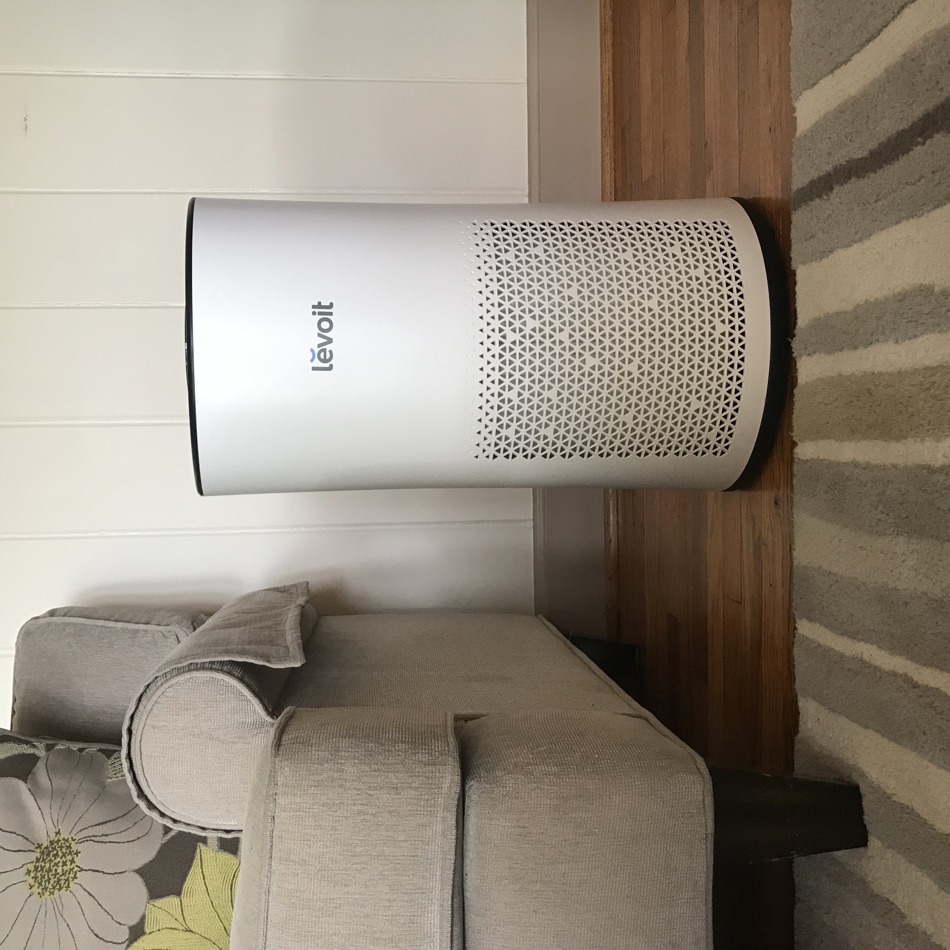
The purifier should move enough air for the room and capture particles without creating an annoying noise level. CADR, filter type, and room size matter more than marketing claims.
Check Fit, Power, and Daily Use
Place the unit where air can enter and leave freely. Corners, curtains, and furniture can block airflow and make a strong purifier behave like a weak one.
Maintenance Details That Prevent Repairs
Vacuum pre-filters, replace HEPA filters on schedule, and reset indicators only after the filter is actually changed. A clogged filter reduces airflow and raises noise.
When Replacement Makes More Sense
Consider replacement when filters become hard to source, the fan bearing gets loud, or the housing leaks air around the filter frame.
A Simple Buying Checklist
Compare filter cost, noise at medium speed, automatic sensor behavior, and whether replacement filters are easy to buy.
Final Takeaway
The best appliance choice is usually the one that fits the room, the household routine, and the maintenance you are actually willing to do. A slightly simpler model with clear controls, available filters, and easy cleaning access often performs better over time than a feature-heavy option that is hard to service.
