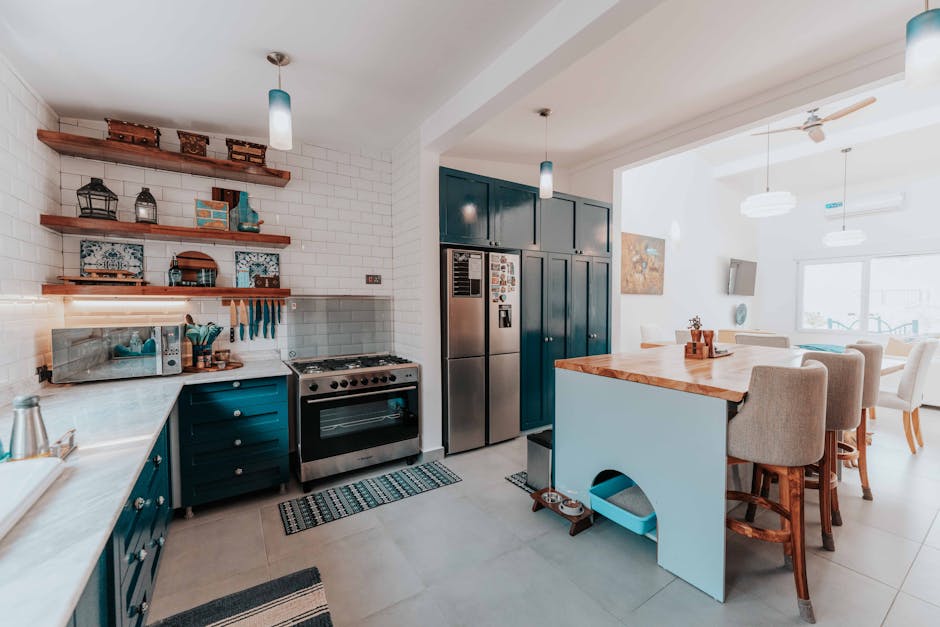
Does your smart washing machine really need a VPN? As home appliances transition from simple mechanical tools to complex nodes on a network, the question of digital security becomes as practical as choosing the right detergent. Modern refrigerators, ovens, and climate control systems constantly transmit data to manufacturer servers. This telemetry often includes usage patterns, location data, and even audio in voice-controlled models. For the privacy-conscious homeowner, a Virtual Private Network (VPN) acts as a necessary filter. However, navigating the marketing-heavy world of VPN providers is difficult. This is why many turn to Reddit—a platform where enthusiasts and professionals strip away the corporate gloss to reveal the actual performance of these services.
Which VPN services does the Reddit community trust in 2025?
Reddit’s privacy-focused subreddits, such as r/VPN and r/Privacy, maintain a rigorous standard for recommendations. The community generally favors services that prioritize transparency, avoid aggressive marketing, and support open-source protocols. In 2025, the consensus has shifted away from the “big name” providers seen in YouTube advertisements toward more niche, technically disciplined companies. The primary metric for Reddit users is not the number of servers, but the quality of the infrastructure and the legal jurisdiction of the provider.
Mullvad VPN: The Gold Standard for Anonymity
Mullvad remains the most frequently recommended service on Reddit due to its radical approach to account creation. It does not require an email address or any personal information; instead, it generates a random account number for the user. Based in Sweden, Mullvad charges a flat rate of approximately $5.40 (5 EUR) per month, regardless of the subscription length. This transparency is highly valued by Redditors who are tired of complex multi-year contracts and “80% off” sales that mask high renewal prices.
- Pro: No personal data required for account creation.
- Con: Does not consistently unblock major streaming services like Netflix or Hulu.
Proton VPN: The Feature-Rich Privacy Powerhouse
Proton VPN, based in Switzerland, is the other major contender in the Reddit community. Unlike Mullvad, Proton focuses on a suite of integrated services, including encrypted email and calendar. Reddit users often highlight Proton’s “Secure Core” architecture, which routes traffic through multiple servers in privacy-friendly jurisdictions before leaving the network. The paid tiers hover around $9.99 per month, though long-term plans reduce this significantly.
- Pro: Excellent at bypassing geo-blocks and streaming restrictions.
- Con: The mobile app interface can be cluttered for users seeking a simple “on/off” experience.
How does a VPN protect smart home appliances from data harvesting?
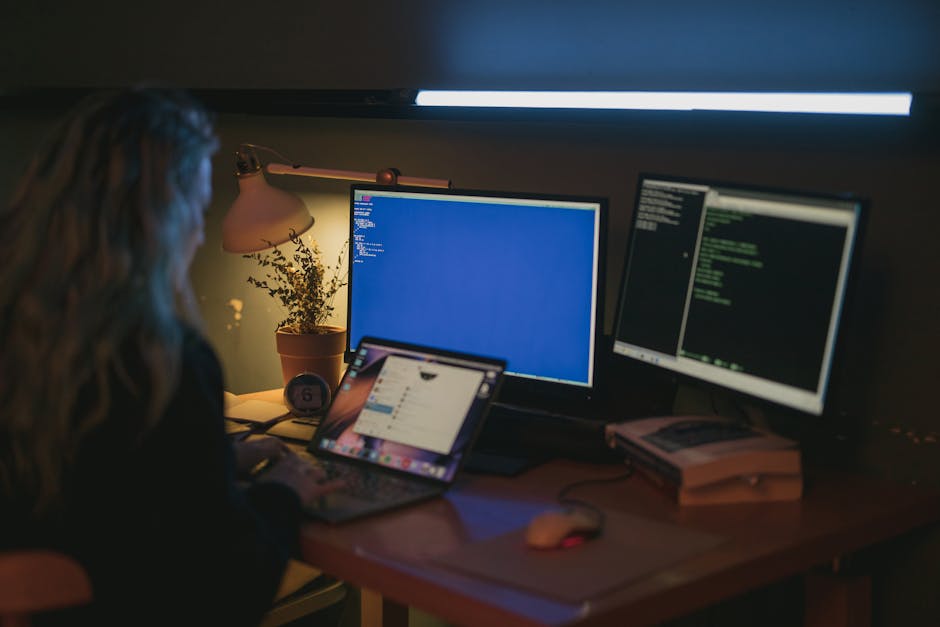
The average modern kitchen now contains multiple devices with Wi-Fi connectivity. While a smart oven offers convenience, it also represents a potential entry point for network intruders or a source of data leakage. Most smart appliances lack robust internal security. They often communicate via unencrypted protocols or connect to servers with questionable data-handling practices. Implementing a VPN at the router level—rather than just on individual computers—creates a secure perimeter for every connected device in the household.
When an appliance connects to the internet through a VPN, its true IP address is masked. This prevents manufacturers from building a precise profile of your household based on your geographic location and usage habits. Furthermore, many VPNs recommended by Reddit include DNS-level ad and tracker blocking. This feature can stop smart TVs and appliances from communicating with known tracking domains, effectively silencing the “phone home” behavior of intrusive hardware.
A router-level VPN is the only effective way to protect devices that do not support native VPN apps, such as smart fridges, Wi-Fi-enabled washers, and home security cameras.
Mitigating the Risks of IoT Vulnerabilities
Internet of Things (IoT) devices are notorious for having “hardcoded” credentials or unpatched vulnerabilities. If a hacker identifies a vulnerable smart dishwasher on your network, they can potentially move laterally to more sensitive devices, like your personal laptop. A VPN doesn’t fix a weak password on an appliance, but it does hide the device from the public internet. By obfuscating the network’s entry point, you reduce the surface area available for automated botnets to scan and exploit.
What technical features should you prioritize for router-level security?
If you intend to use a VPN for your entire home appliance ecosystem, the technical specifications of the service are more important than the user interface of the desktop app. Reddit discussions often center on two critical factors: protocol support and server hardware. For a home network, the protocol determines the speed and stability of every connected device.
The Shift to WireGuard
In 2025, the Reddit community almost exclusively recommends the WireGuard protocol over the older OpenVPN standard. WireGuard is significantly faster and more efficient, which is vital when multiple appliances are sharing the same encrypted tunnel. Because smart homes require high uptime, the fast reconnection speeds of WireGuard ensure that your smart thermostat or security system doesn’t lose connectivity during a brief server flicker. When reviewing a VPN on Reddit, check if they offer native WireGuard configuration files, which are necessary for setting up the service on high-end routers like those from ASUS or GL.iNet.
RAM-Only Servers and No-Logs Audits
A VPN is only as trustworthy as its server infrastructure. Redditors prioritize providers that utilize RAM-only servers. This means that every time a server is rebooted, all data is wiped instantly, as nothing is ever written to a hard drive. Furthermore, the community demands third-party audits. A service that claims a “no-logs policy” is ignored by Reddit unless that claim has been verified by an independent firm like PwC or Cure53. This level of verification ensures that even if a government seized a server, there would be no data available regarding your appliance usage or browsing habits.
Why does Reddit frequently criticize mainstream commercial VPN providers?

If you browse r/VPN, you will notice a distinct hostility toward some of the most popular VPN brands. This skepticism isn’t arbitrary; it is based on a history of corporate acquisitions and marketing practices that the community finds deceptive. Many mainstream providers spend more on influencer sponsorships than on infrastructure, leading to a “marketing-first” culture that often compromises user privacy.
Ownership transparency is a major sticking point. Several well-known VPN brands are owned by Kape Technologies, a company that previously operated in the ad-tech and malware distribution space under a different name. Reddit users frequently warn against using services owned by entities with a history of data monetization. For the home user, this is a critical distinction. You are using a VPN to escape data harvesting by appliance manufacturers; it is counterproductive to then hand that data to a VPN provider with a history of tracking users.
The Problem with “Free” VPNs
The Reddit community is nearly unanimous in its rejection of free VPN services. The operational costs of maintaining a global server network are immense. If a service does not charge a subscription fee, it is almost certainly monetizing user data. For a smart home, a free VPN is a massive liability. These services have been caught injecting tracking cookies into web traffic and selling bandwidth to botnets. The consensus is clear: if you aren’t paying for the product, your home network data is the product.
Comparing the top three VPNs recommended by privacy subreddits
The following table summarizes the key metrics for the three services that currently hold the most favor among Reddit’s technical community. These prices and features are based on the latest 2025 data and user reports.
| Provider | Monthly Price (Approx) | Key Strength | Best For |
|---|---|---|---|
| Mullvad VPN | $5.40 | Absolute Anonymity | Privacy purists and IoT security |
| Proton VPN | $4.99 – $9.99 | Swiss Jurisdiction | Streaming and all-in-one security |
| IVPN | $6.00 | Ethical Transparency | Advanced users and router setups |
IVPN: The Ethical Alternative
IVPN is often mentioned alongside Mullvad for its commitment to ethics. They were one of the first providers to stop using Google Analytics on their website and to remove all tracking scripts from their apps. While slightly more expensive than Mullvad for their “Pro” tier (which allows more simultaneous connections), they offer a highly stable service that is excellent for high-bandwidth households with many smart appliances. Their documentation for router setup is considered some of the best in the industry, making it a favorite for those who want to secure their home at the source.
Performance and Latency Considerations
When selecting a VPN for your home, latency is often more important than raw download speed. A high-latency connection can cause smart home hubs to lag, leading to delays when you try to turn on a light or check a security camera feed. Reddit users frequently perform “speed tests” and share the results. Generally, Mullvad and Proton VPN lead the pack in terms of low latency, provided you connect to a server that is geographically close to your home. Before committing to a service, check Reddit for recent speed reports from users in your specific region.
Final Considerations for Your Smart Home Network
Securing a modern home requires a multi-layered approach. A VPN is a powerful tool, but it is not a complete solution. Reddit users often remind newcomers that a VPN only encrypts the data in transit. It does not prevent an appliance from collecting data if you have already granted it extensive permissions through its mobile app. Therefore, the best practice is to combine a reputable VPN with strict app permissions and a dedicated guest network for your IoT devices.
The 2025 Reddit consensus favors services that are transparent, audited, and technically robust. Whether you choose Mullvad for its anonymity, Proton for its features, or IVPN for its ethics, you are taking a significant step toward reclaiming your household’s digital privacy. As our appliances become smarter, our responsibility to protect the data they generate becomes more urgent. By following the collective wisdom of the Reddit community, you can ensure that your smart home remains a private sanctuary rather than a data-mining outpost.
